
Tim’s Tax News on the Tenth – October 2026
Tax Scams to Watch for Related to the One, Big, Beautiful Bill
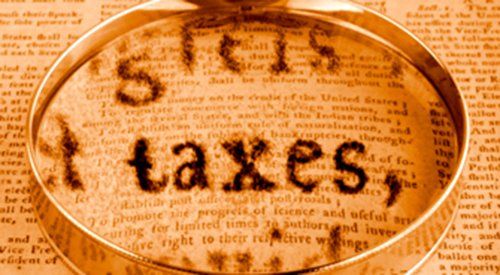
With just five days until the deadline filing date if an extension to file was filed timely, the IRS is reminding taxpayers that the One, Big, Beautiful Bill (“OBBB ") introduced new and expanded tax benefits. While these changes may help taxpayers, they can also create confusion, especially during the first filing season when they apply. Scammers often exploit uncertainty surrounding new laws.
Taxpayers should watch for the following OBBB-related scams and take steps to protect their personal and financial information.
Ghost preparers exploiting new credits - Unlicensed or unethical tax preparers may promise large refunds by aggressively or falsely claiming new OBBB credits. These preparers may:
- Exaggerate eligibility for deductions
- Claim credits that taxpayers do not qualify for
- Disappear after filing, leaving the taxpayer responsible for penalties, interest, or audits
Red Flag: The preparer refuses to sign the return or provide a valid Preparer Tax Identification Number.
Tips and overtime deduction scams - Dishonest tax preparers advertise “expert” help to claim the tip and overtime deductions, charging excessive fees and inflating amounts on returns. Common tactics include:
- Promising unusually large refunds tied to tips or overtime
- Guaranteeing eligibility
- Inflating or inventing deduction amounts without proper documentation
OBBB provisions require accurate reporting of qualified tips and overtime. Because early information forms may not clearly reflect these amounts, scammers can exploit the complexity to justify improper claims.
Red Flag: The preparer will not explain how amounts were calculated, or claim documentation is unnecessary.
Deduction for seniors “enrollment” scam - The new OBBB deduction for seniors does not require enrollment, advance registration, or third-party sign-up. Eligible seniors can claim the deduction when filing their tax return with the IRS.
Scammers may target seniors through unsolicited calls, texts, emails, or mailers that claim they must:
- Enroll immediately to receive the deduction
- Verify personal information to qualify
- Pay a processing or application fee
- Click a link and provide their Social Security number or bank information
Red Flag: The preparer claims you must enroll, register, or pay a fee to receive the deduction. The IRS does not require “enrollment” or payment to claim a deduction.
Fake OBBB credit or deduction outreach - Scammers may claim taxpayers are “pre-approved” or automatically eligible for a new OBBB deduction or credit. Watch for:
- Emails, texts, or calls referencing “OBBB refunds” or “OBBB stimulus credits”
- Requests for SSNs, bank details, or IRS verification codes
- Claims that immediate action is required to avoid losing benefits
Red Flag: Scammer claiming pre-approval for OBBB deductions or credits. The IRS does not require pre-approval.
“Refund Advance” or “Fast OBBB Payout” Scams - Some scammers promise expedited refunds based on new OBBB provisions for a fee. Warning signs include:
- Processing or “release” fees
- Claims they can bypass normal IRS timelines
- Offers tied to new or expanded refundable credits
Red Flag: Scammers stating they can expedite IRS timelines. No individual or business can speed up an IRS refund for a fee.
Social media and influencer tax scams - Online posts or videos may claim:
- “Everyone qualifies under OBBB”
- “OBBB loopholes”
- “Guaranteed refunds”
These messages often oversimplify or misrepresent eligibility rules to drive traffic to fraudulent services.
Red Flag: Guarantees of refund amounts or claims that everyone qualifies. Legitimate tax professionals cannot guarantee refund amounts or claim that everyone qualifies for OBBB deductions.
OBBB scam red flags to remember:
- Requests for personal or financial information by text, email, or social media
- Promises of guaranteed or unusually large refunds
- Fees to “enroll,” “activate,” or “expedite” tax benefits
- Preparers who refuse to explain calculations or sign returns
Scammers frequently exploit new or complex tax laws by spreading misinformation and making false promises. Taxpayers should rely only on official IRS guidance and qualified tax professionals when determining eligibility under the One, Big, Beautiful Bill.
If you would like more details, please do not hesitate to call our office. Our office has been successful in helping taxpayers with IRS and IDOR collection problems for over 32 years.
If you have a tax or debt problem, please contact me at 847-705-9698 or thughes@lavellelaw.com to find out how we can help you.
Are you receiving the Lavelle Law eNewsletter? Sign up today and receive valuable updates and perspectives on a wide range of legal issues: http://goo.gl/pjeJkm
Attorney Tim Hughes is a Shareholder of Lavelle Law, Ltd., a 39-attorney firm serving the greater Chicago area. Both an attorney and a CPA, Hughes focuses much of his practice on matters of bankruptcy law, taxation, and property tax assessment appeals. He issues a monthly tax newsletter concerning recent events in federal and state tax law. He has served on several charitable boards and volunteers regularly at a local legal clinic.
More News & Resources
Lavelle Law News and Events