
LITIGATION
Resolution through negotiation,
litigation, and trial
litigation, and trial
The business litigation attorneys at Lavelle Law are experienced in managing complex matters involving violations of the Illinois Business Corporation Act, the Illinois Limited Liability Company Act and the Uniform Partnership Act, Illinois Trade Secret Act, the Illinois Consumer Fraud Act, as well as cases related to breach of fiduciary duty, fraud, misrepresentation, and other shareholder and member disputes. We represent parties in civil litigation matters such as contract and lease disputes, breach of contract matters, probate litigation, will contests, guardianship estates, employment law matters, and collection cases. Our litigators have trial experience in Illinois and federal courts, administrative hearings and in alternative dispute resolution cases, such as arbitrations and mediations. When urgent issues arise, our commercial and civil litigation attorneys seek entry of permanent injunctions, preliminary injunctions, and temporary restraining orders to protect your interests immediately. We also frequently act as local counsel for attorneys that are not based in Illinois but have clients with litigation pending in federal or state court in Illinois.
Our Services
- Alternative Dispute Resolutions including Mediations
- Appellate Law
- Arbitrations
- Breach of Fiduciary Duties
- Business Torts
- Civil Litigation
- Commercial Disputes
- Contested Probate and Trust Litigation
- Contract Claims
- Evictions and Other Landlord Representation
- Illinois Consumer Fraud Act
- Illinois Trade Secret Act
- Injunctive Relief
- Mechanic's Liens
- Restrictive Covenants
- Shareholder Litigation
- Special Education Law
- Trials and General Business Litigation Services
OUR LITIGATION TEAM

















Litigation Posts
Lavelle Law News and Events

Many litigators are familiar with Federal Rule of Civil Procedure 68, but few fully appreciate its strategic value in the defense arsenal. Rule 68 can be a powerful tool for influencing settlement negotiations, and in some cases, limiting a plaintiff’s ability to recover post-offer attorneys’ fees.
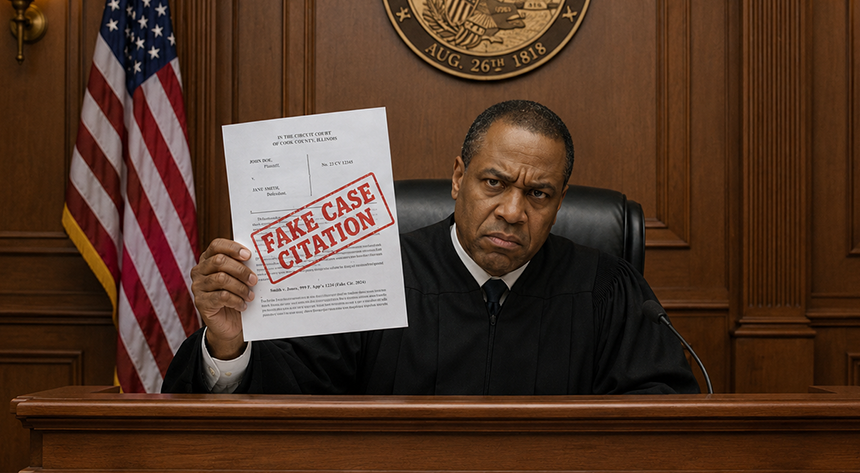
Thinking about using AI to represent yourself in litigation? Think again. It is well-documented that pro se litigants are less likely to prevail compared to their represented counterparts. Regardless, AI has provided people with a false sense of security, tempting them to represent themselves regardless.
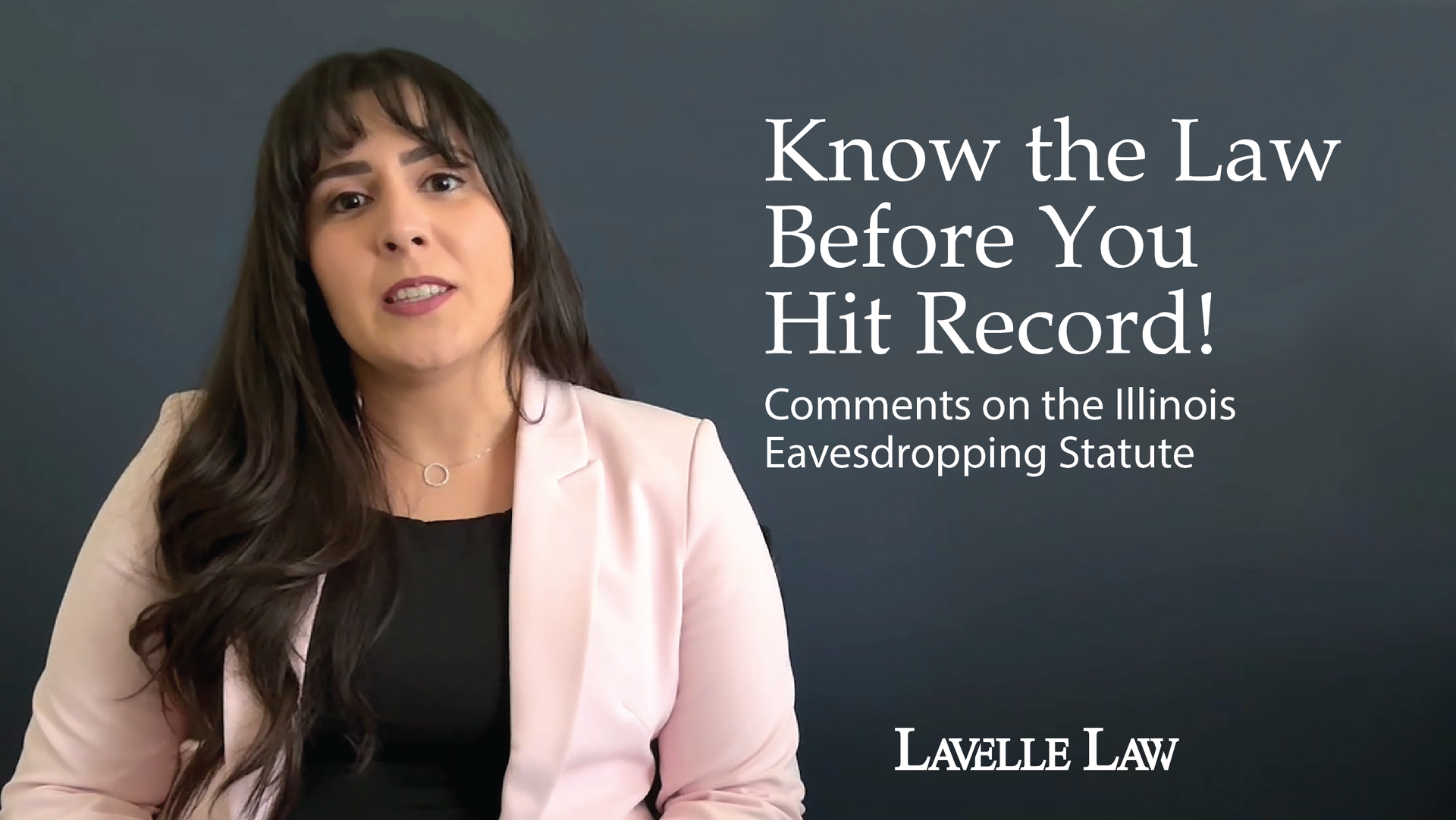
Do you know it’s a felony in Illinois if you record a conversation without consent? The Illinois Eavesdropping Statute prohibits the secret recording of private conversations without the consent of all parties involved. Protect yourself – Get consent before you hit record! Nataly Kaiser explains.