
Tim’s Tax News on the Tenth – March 2026
IRS Announces its Dirty Dozen Tax Scams for 2026
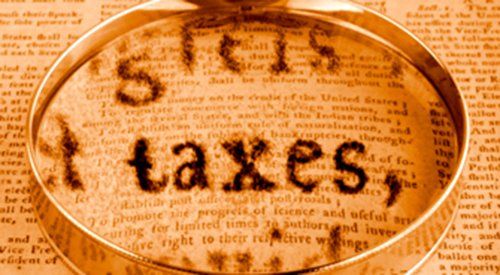
Last week, the IRS announced its annual Dirty Dozen list of tax scams for 2026 that threaten the tax and financial information of taxpayers, businesses, and tax professionals. The Dirty Dozen is part of a broader campaign conducted by the IRS to educate taxpayers about identity theft schemes and other forms of fraud, particularly during the tax filing season.
A notable change to this year’s list is the addition of abusive undistributed long-term capital gains claims as item #6, replacing prior fuel tax credit concerns, as the IRS has seen an increase in overstated or fabricated claims tied to Form 2439, Notice to Shareholder of Undistributed Long-Term Capital Gains. The IRS advises all taxpayers to remain cautious year-round, as criminals will always be on the lookout for new ways to obtain money, personal identifiable information, and data.
The 2026 Dirty Dozen: 12 key scams to watch for:
1. IRS impersonation by email and text (phishing + smishing). Scammers send emails, direct messages (“DM”), and texts that appear to be from the IRS, often using alarming language and QR codes that direct taxpayers to fake IRS websites to “verify” accounts, enter personal information, or claim refunds. The IRS urges taxpayers not to click links or open attachments from unexpected messages and to report suspicious IRS-related emails, DMs, and texts. The IRS reported over 600 social media impersonators during fiscal year 2025.
As a reminder, never click any unsolicited communication claiming to be from the IRS, as it may install malware surreptitiously. These links may install malicious software, including ransomware, on a taxpayer’s personal device, potentially preventing access to their files or personal information.
2. AI-enabled IRS impersonation by phone (robocalls, voice mimicry, spoofed caller ID). Phone scams continue to evolve, including calls that use computer-generated tactics and spoofed caller ID to appear legitimate. The IRS reminds taxpayers that it generally contacts taxpayers by mail first and does not leave urgent, threatening prerecorded messages, call to demand immediate payment, or threaten arrest. Taxpayers should not rely on AI-generated responses to complex tax questions, and they should verify any calculations or information provided by artificial intelligence.
3. Fake charities. Fraudsters often exploit tragedies and disasters by creating fake charities to collect donations and personal information. The IRS is committed to preventing fraudulent nonprofits from taking advantage of the American taxpayer.
4. Misleading tax advice on social media. Viral “tax hacks” can push taxpayers to file returns with false information or claim credits they don’t qualify for, leading to refund delays, audits, penalties, or worse. The IRS continues to warn that social media-driven misinformation and disinformation remain a major driver of tax scams.
5. Identity theft involving IRS Online Account access. Criminals may attempt to use stolen personal information to gain unauthorized access to a taxpayer’s IRS online account or may pose as helpers to collect sensitive information during account setup. Taxpayers should create their account directly through IRS.gov and should not rely on unsolicited third parties offering assistance. The IRS provides official guidance to help taxpayers securely establish and protect their accounts.
6. Abusive undistributed long-term capital gains claims. The IRS identified an increase in the abuse of Form 2439. This form allows shareholders of certain investment funds or real estate trusts to claim a refundable credit for taxes paid on undistributed capital gains. Identified schemes involve overstated or fabricated Form 2439 claims, including claims tied to organizations that are not legitimate investment funds or real estate trusts. The IRS has also seen fake claims falsely linked to real, well-known organizations. Improper claims may result in refund delays, audits, penalties, or enforcement action.
7. Bogus “Self-Employment Tax Credit” promotion. Scammers use misleading claims about a broad “self-employment tax credit” to encourage inaccurate filings and generate improper refunds. The IRS reminds taxpayers to rely on trusted sources and qualified tax professionals, not social media promotions, when determining eligibility for credits. Many taxpayers do not qualify for these credits, and the IRS is closely reviewing claims coming in under this provision, so taxpayers filing claims do so at their own risk.
8. Ghost preparers. A “ghost” preparer prepares a return but refuses to sign it and/or refuses to include a Preparer Tax Identification Number (PTIN). When a preparer refuses to sign or provide a PTIN, that is a major red flag; the taxpayer is legally responsible for what is filed. The IRS urges taxpayers to avoid preparers who will not sign the return and to choose reputable help. Taxpayers should never sign a blank or incomplete return. Instead, the IRS reminds taxpayers to use a trusted tax professional for help.
9. Non-cash charitable contribution schemes. Some schemes involve inflated appraisals of donated property using syndicated conservation easements or art. Promoters often promise to eliminate or substantially reduce tax liability. The IRS warns taxpayers not to file returns with made-up information and reminds taxpayers that it can hold refunds while verifying claims.
10. Overstated withholding schemes (fabricated wage/withholding data). Scammers encourage taxpayers to inflate withholding amounts (sometimes described as “other withholding”) to manufacture a larger refund by reporting zero or little income on incorrect forms. The IRS may delay processing while it verifies wages and withholding against third-party records. Inaccurate claims can lead to penalties and enforcement action.
There are multiple variations of the overstated withholding credit scheme, including those involving Forms W-2 and W-2G; Forms 1099-R, 1099-NEC, 1099-DIV, 1099-OID, and 1099-B, as well as the Alaska Permanent Fund Dividend, Schedule K-1 with Withholding Reported, and Unspecified Source of Withholding Credit Claimed.
11. Spear-phishing and malware campaigns targeting tax professionals. Tax professionals and businesses remain targets of “new client” or “document request” emails that deliver malicious links or attachments to steal client data or access systems. The IRS and the Security Summit urge preparers to remain vigilant and to strengthen their security practices.
Businesses and individuals, including tax pros, should always be cautious and look out for any suspicious requests or unusual behavior before sharing any sensitive information or responding to an email. Warning signs may include unexpected requests for sensitive information, mismatched or unfamiliar sender addresses, urgent payment demands, or links directing users to websites that do not clearly originate from IRS.gov. Be aware that by gaining access to a hacked email account, scammers can locate a genuine email from a previous victim's email account sent to their tax professional.
12. Aggressive or misleading Offer in Compromise marketing (“OIC mills”). The Offer in Compromise program can help certain eligible taxpayers resolve tax debt when they are unable to pay in full, but “OIC mills” often overpromise results and charge high fees to taxpayers who don’t qualify. Instead, the IRS reminds taxpayers to use a trusted tax professional for help.
If you would like more details, please do not hesitate to call our office. Our office has been successful in helping taxpayers with IRS and IDOR collection problems for over 32 years. If you have a tax or debt problem, please contact me at 847-705-9698 or thughes@lavellelaw.com and find out how we can help you.
Are you receiving the Lavelle Law eNewsletter? Sign up today and receive valuable updates and perspectives on a wide range of legal issues: http://goo.gl/pjeJkm
More News & Resources
Lavelle Law News and Events