
Tim’s Tax News on the Tenth – September 2025
One Big Beautiful Bill’s No Tax On Tips
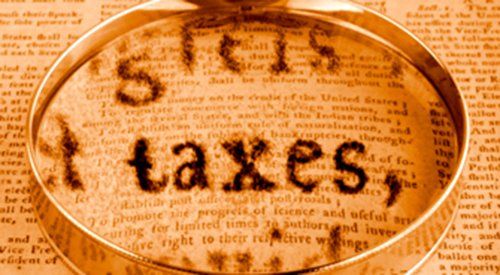
Last month, we briefly discussed the One Big Beautiful Bill Act (“OBBBA”) and a few of its major features. One of those features mentioned was the “no tax on tips” provision. We received some inquiries on how it will be implemented, so without further ado, a little more detail on the 2025 “no tax on tips.” The U.S. Treasury Department issued a preliminary list of nearly 70 jobs that qualify (the list is at the bottom of this article) for “no tax on tips.” The occupations include a wide range of services spanning from Rickshaw drivers to digital content creators.
Employees and self-employed people may deduct qualified tips received in eligible jobs that “customarily and regularly receive tips,” effective for 2025 through 2028. Qualified tips are voluntary cash or charged tips received from customers, or through tip sharing. The annual deduction is capped at $25,000. For self-employed people, the deduction may not exceed an individual’s net income. The deduction phases out for taxpayers with modified adjusted gross income over $150,000, or $300,000 for joint filers.
The Congressional Budget Office projects the act will increase federal government deficits by $3.4 trillion over 10 years. Its cost will be partially offset by changes to Medicaid, the Supplemental Nutrition Assistance Program, and student loan programs.
The Yale Budget Lab estimated that there were about 4 million workers in tipped jobs in 2023, or about 2.5% of all U.S. employment, so the direct effect of the law on the workforce will likely be small. Tipped workers tend to be lower income.
If you would like more details, please do not hesitate to call our office. Our office has been successful in helping taxpayers with IRS and IDOR collection problems for over 31 years. If you have a tax or debt problem, please contact me at 847-705-9698 or thughes@lavellelaw.com and find out how we can help you.
Are you receiving the Lavelle Law eNewsletter? Sign up today and receive valuable updates and perspectives on a wide range of legal issues: http://goo.gl/pjeJkm
JOBS ELIGIBLE UNDER THE ‘NO TAX ON TIPS’ PROVISION
Beverage and food service
Bartenders
Wait staff
Food servers, non-restaurant
Dining room and cafeteria attendants and bartender helpers
Chefs and cooks
Food preparation workers
Fast food and counter workers
Dishwashers
Host staff, restaurant, lounge, and coffee shop
Bakers
Entertainment and events
Gambling dealers
Gambling change persons and booth cashiers
Gambling cage workers
Gambling and sportsbook writers and runners
Dancers
Musicians and singers
Disc jockeys, except radio
Entertainers and performers
Digital content creators
Ushers, lobby attendants, ticket takers
Locker room, coatroom, and dressing room attendants
Hospitality and guest services
Baggage porters and bellhops
Concierges
Hotel, motel, and resort desk clerks
Maids and housekeeping staff
Home services
Home maintenance, repair workers
Home landscaping and groundskeeping workers
Home electricians
Home plumbers
Home heating and air conditioning mechanics and installers
Home appliance installers and repairers
Home cleaning service workers
Locksmiths
Roadside assistance workers
Personal appearance and wellness
Skincare specialists
Massage therapists
Barbers, hairdressers, hairstylists, and cosmetologists
Manicurists and pedicurists
Shampooers
Eyebrow threading and waxing technicians
Makeup artists
Exercise trainers and group fitness instructors
Tattoo artists and piercers
Tailors
Shoe and leather workers, repairers
Personal services
Personal care and service workers
Private event planners
Private event and portrait photographers
Private event videographers
Event officiants
Pet caretakers
Tutors
Nannies and babysitters
Recreation and instruction
Golf caddies
Self-enrichment teachers
Recreational and tour pilots
Tour guides and escorts
Travel guides
Sports and recreation instructors
Transportation and delivery
Parking and valet attendants
Taxi and rideshare drivers and chauffeurs
Shuttle drivers
Goods delivery people
Personal vehicle and equipment cleaners
Private and charter bus drivers
Water taxi operators and charter boat workers
Rickshaw, pedicab, and carriage drivers
Home movers
More News & Resources
Lavelle Law News and Events